Scientific Research
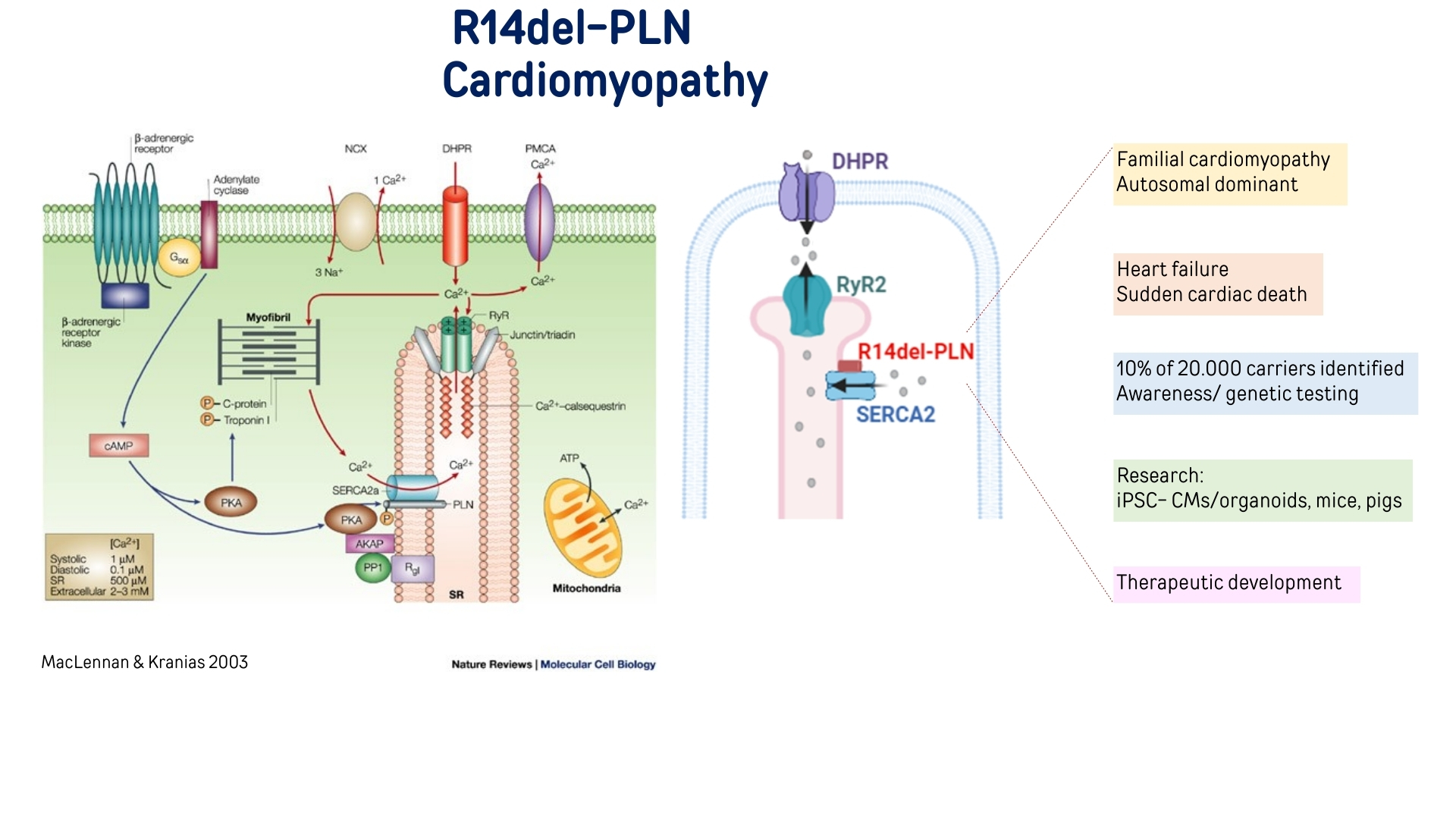
Several major University laboratories as well as Biotech Industry are conducting research on the R14del mutation in phospholamban (PLN). Phospholamban is a key regulator of the calcium cycling in heart cells, influencing heart muscle contraction and relaxation. The R14del mutation, which involves the deletion of an arginine amino acid at position 14, has been shown to disrupt the normal function of phospholamban. Laboratory investigations are using PLN-R14del animal models, cardiac cells that are derived from patient-induced pluripotent stem cells (iPSC-CMs) and in-vitro models. The studies indicate that the mutant PLN alters various pathways, including Ca-handling dysregulation, protein interactions, energy abnormalities, unfolded protein response, and protein aggregation. Each of these may contribute to disease manifestation to various degrees. Researchers aim to identify potential therapeutic strategies, such as pharmacological agents or gene therapies, to correct the dysfunctional calcium cycling caused by this mutation, aiming to prevent or mitigate the development of heart disease linked to R14del PLN.
The PLN Foundation is engaged in scientific research towards developing a treatment therapy. Over the years, we have expanded our network with (inter)national collaborations of renowned research centers. The aim is to focus research in diagnostics, treatment, and cures for heart disease caused by the Phospholamban gene mutation (PLN).
The PLN North American Foundation has the following objectives:
- Funding: Funding research for the treatment and cure of PLN heart diseases (heart rhythm problems, heart transplantation, and organ donation).
- Fellow carriers: Finding and informing individuals with the PLN mutation. We bring carriers together both online and offline to connect, share experiences, and support each other.
- Raising awareness: We aim to increase awareness leading to early treatment of the disease.
A Dutch disease, spread across the world
PLN-R14del is a typically Dutch disease. Over the past centuries, the Dutch have traveled all over the world. Some Dutch people returned to their birthplace after their travels, but many settled abroad. As a result, the PLN mutation has spread across the globe. The PLN Foundation estimates that there may be around 10,000 to 15,000 carriers of the mutation walking around in the Netherlands. This means that the disease is not yet known to many people. Therefore, it is important that as many people as possible know what the mutation is, so that we can intervene in time and save lives .
In many countries, PLN-R14del has not been discovered on a national scale, but is primarily found in individual families through DNA testing in heart muscle diseases.
Collaboration takes place at an international level within genetic biobanks. Here, biological material such as blood, DNA, and tissue, along with associated medical data, is collected. The material and data are available for scientific research worldwide.
The goal is to gain insight into the causes of diseases and the role of heredity, and to develop new treatment or prevention methods. Due to the rise of international genetic biobanks and DNA research, the mutation is being identified increasingly often worldwide.

FAQs for Scientists
Read more
- How can we help with your research?
As a patient foundation, we can help you in the following ways:
- Collecting patient experience data from PLN carriers via questionnaires;
- Finding PLN carriers who are willing to participate in studies;
- We can put you in contact with other researchers within the PLN research field;
- Requesting access to patient data, animal models, cell lines, blood samples, and tissue samples;
- Find funding for your project, through a direct grant from the foundation or by collaborating on a larger research grant.
2. Which research models are available through the PLN Foundation?
The PLN Foundation has invested in a PLN-R14del pig model, a PLN-R14del mouse model, and various patient stem cell lines (control, asymptomatic, and symptomatic). In both the pig and mouse models, a larger DNA sequence has been inserted to test gene editing.
3. Which cell lines are available through the PLN Foundation?
The PLN Foundation possesses human induced pluripotent stem cell lines (hiPSCs) from PLN carriers and non-carriers. We have a cohort of five families from which we have a symptomatic and an asymptomatic carrier, and a related non-carrier. In addition, we have carriers with an extreme phenotype (very young with the phenotype and very old without the phenotype).
4. I have a brilliant idea. How can I get funding?
We are always open to discussing funding and collaborations. As a patient organization, we are primarily interested in the development of an affordable treatment for PLN R14del. Other important lines of research include improving clinical care and developing specific biomarkers that can predict the course of PLN cardiomyopathy. However, funding opportunities are not limited to these directions. We always encourage you to contact us if you have an innovative idea. Please send all your questions to: plnfoundation.na@gmail.com
Because the resources of the PLN Foundation are limited, we aim to apply a two-step rocket system. By providing a small grant, we enable researchers to generate pilot data. This pilot data then forms the basis for a follow-up grant from a national or international funding institution. In this way, we help researchers generate the pilot data and acquire more external funding for PLN R14del research.
Grand Rapids, Michigan

Meet One of our key partners:
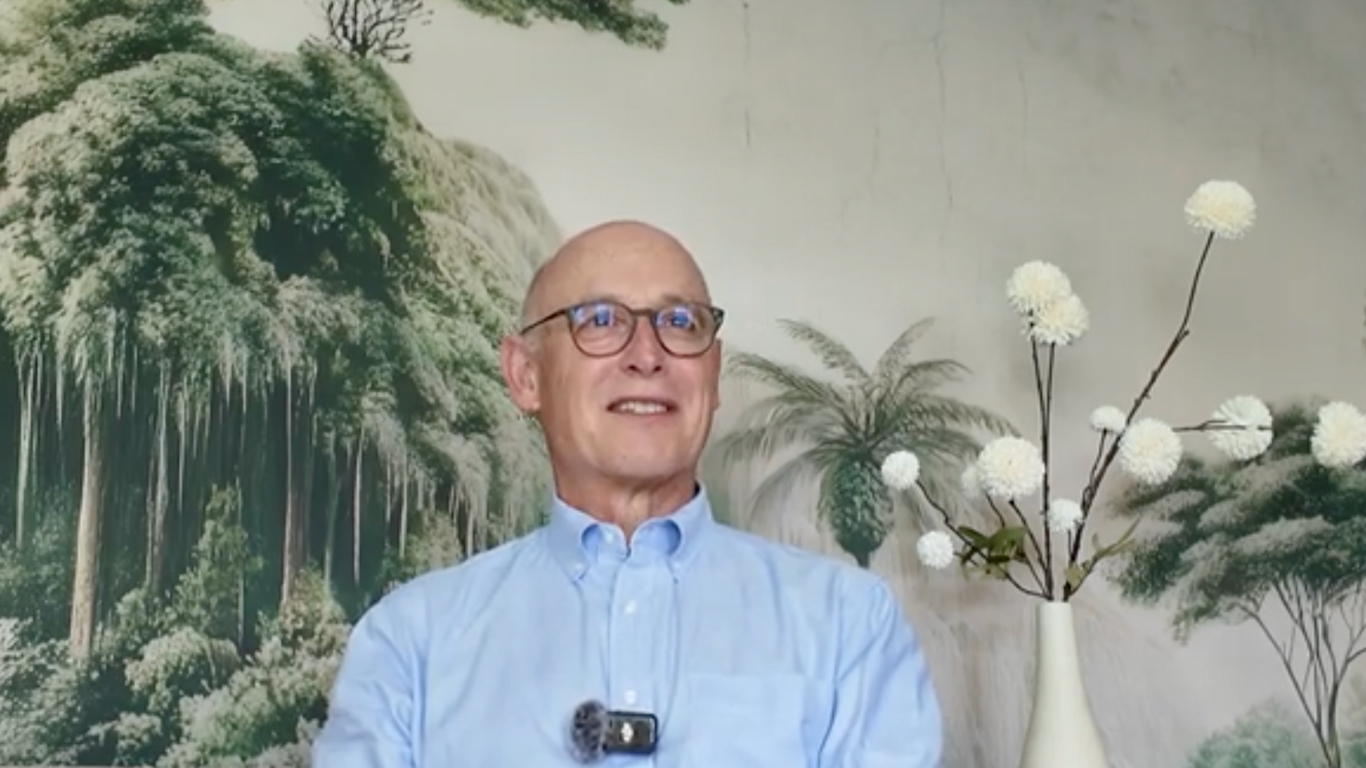
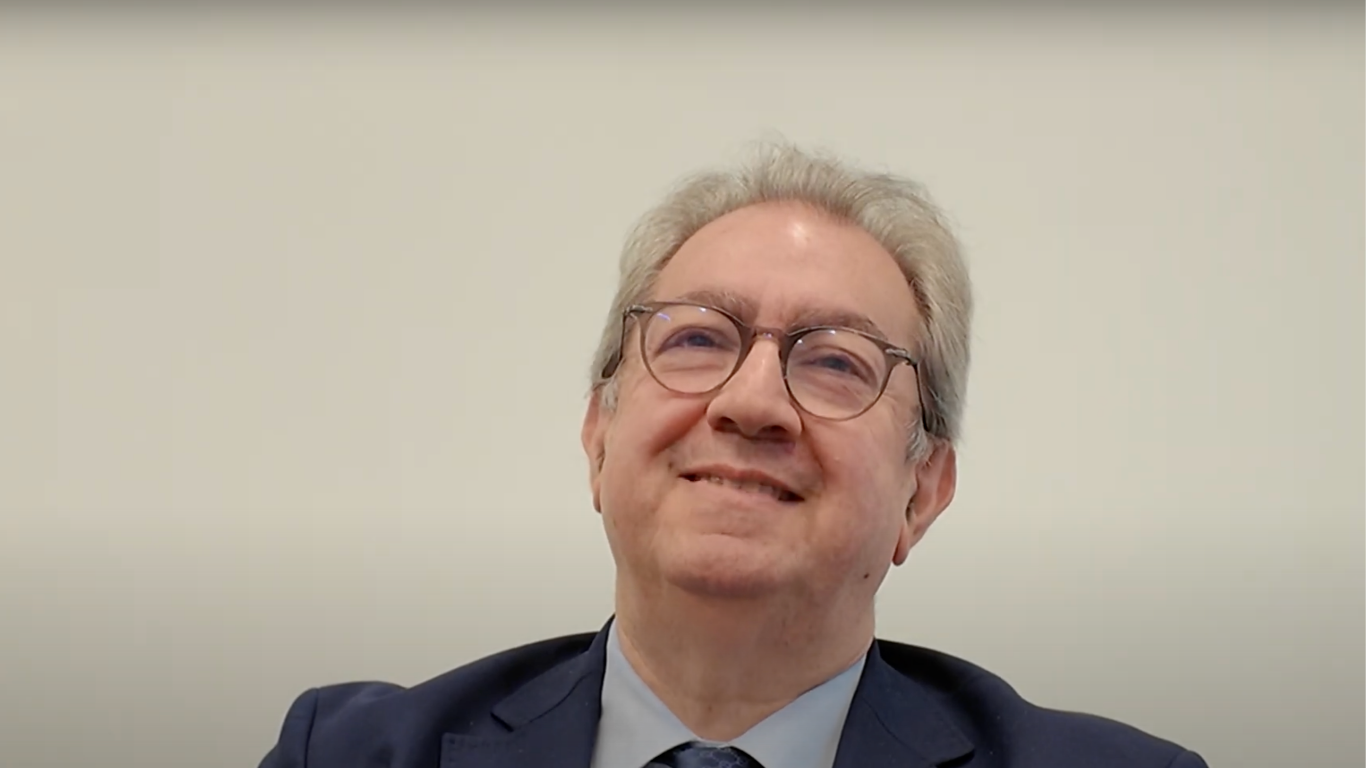
Dr. Charles (Chaz) Hong is a cardiologist and geneticist, whose work bridges the gap between developmental biology and clinical medicine. His research focuses on how small molecules govern animal development and stem cell differentiation to drive novel treatments for cancer and cardiovascular disease. Notably, his lab laid the groundwork for treating venous malformations with PI3-kinase inhibitors, co-discovered RBM20 as a causal gene in inherited heart conditions and uncovered the role of defective centrosome remodeling in infantile dilated cardiomyopathy.
Grand Rapids' Key Role in our Journey
The PLN Mini Symposium, hosted by Michigan State University with a collaborative effort from the PLN North American Foundation. This educational symposium brings together researchers, clinicians, patients, families, and advocates to discuss the latest developments in PLN (phospholamban) cardiomyopathy, including current research, clinical care, genetic testing, and the lived experiences of individuals and families affected by the PLN gene mutation. Our mission is to increase awareness, support research, foster meaningful connections within the PLN community, and move closer to better treatments and, ultimately, a cure. Whether you are newly diagnosed, supporting a loved one, or are a healthcare professional interested in inherited heart disease, we hope this symposium provides valuable knowledge, encouragement, and hope. To learn more about the North American PLN Foundation and our work, visit www.plnfoundationna.com.
Grand Rapids has a rich history deeply rooted in Dutch and Frisian heritage. In the 19th century, thousands of families emigrated from the Netherlands many from the province of Friesland to West Michigan, bringing with them their culture, faith, and strong sense of community. What many people don’t know is that this shared history may also carry a hidden genetic link. This video explores the historical connection between Friesland and Grand Rapids and how this migration is connected to PLN (phospholamban) mutation carriers a rare, inherited heart muscle disease that can lead to serious cardiac problems, including sudden cardiac arrest. The PLN mutation originated centuries ago in Friesland. Because many Frisian families settled in and around Grand Rapids, it is likely that PLN is present in this region today often unknowingly, passed down through generations. By sharing this history, we aim to: Raise awareness about PLN Encourage families to talk about heart health and family history Help people recognize that ancestry can play a role in genetic risk Connect heritage with science, awareness, and hope If you have Dutch or Frisian roots, this story may be part of your family history too. Awareness can save lives. Learn more about PLN, testing, and research at: plnfoundationna.com
PLN Resources